
How Long Does Physical Therapy Take to Work for Common Injuries in Mt. Juliet?
When you are hurting, "How long until I feel better?" is usually the first question on your mind. Maybe you are juggling a newborn and nagging pelvic pain, or you are an active adult sidelined by an injury you just want behind you. That concern is completely valid.
There is no single timeline that fits everyone, but there are realistic ranges. Here is what to expect from physical therapy in Mt. Juliet, TN, and what shapes your own recovery.
What Affects How Long Physical Therapy Takes?
Two people with the same diagnosis can recover at very different speeds. Your timeline depends on several factors:
Severity of the injury: A mild strain usually resolves faster than a significant tear.
How long you have had symptoms: Newer problems often respond more quickly than those that have lingered for months.
Your overall health and lifestyle: Sleep, stress, activity level, and past injuries all play a role.
Consistency with your plan: What you do between visits matters as much as what happens in the clinic.
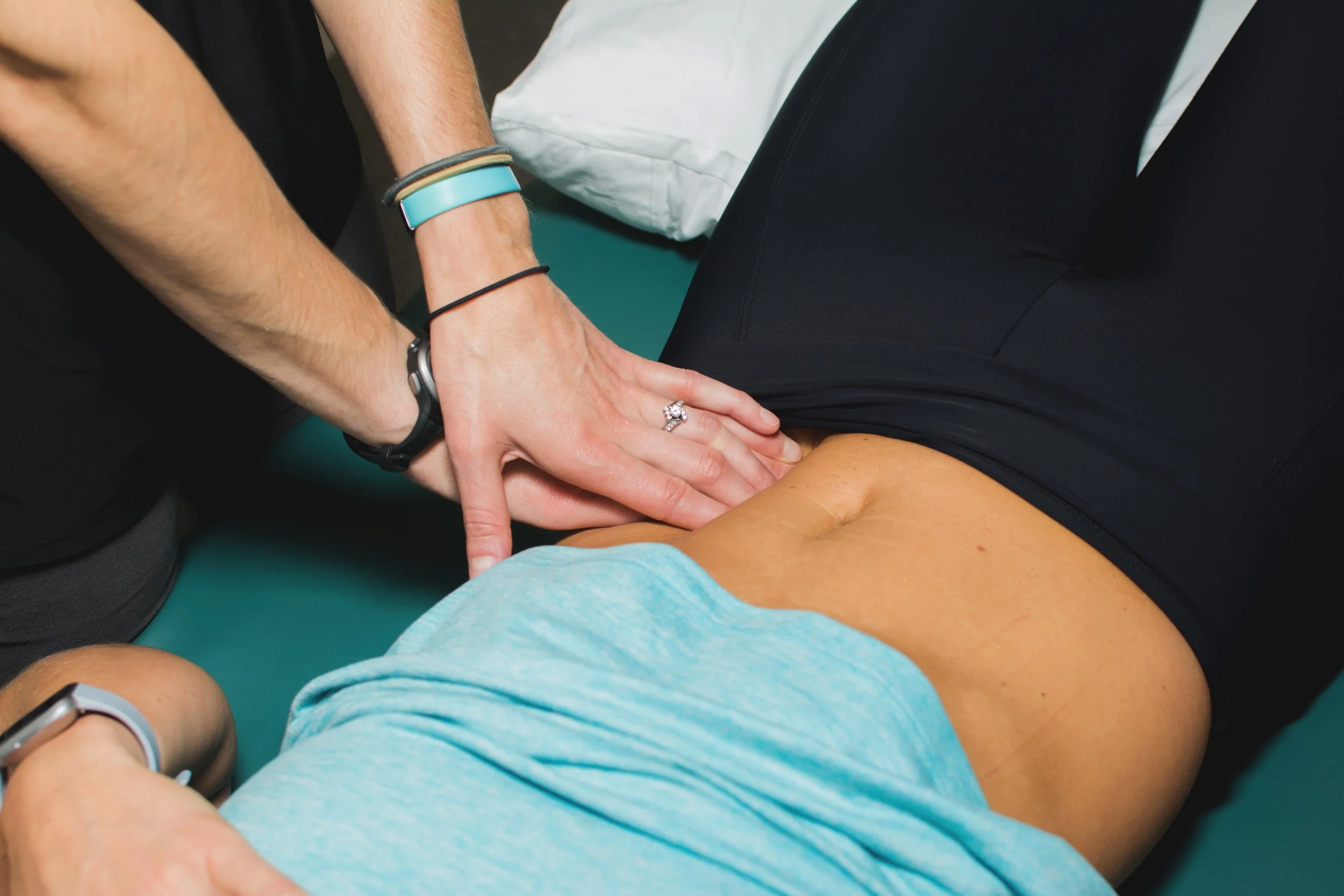
At Priority Physical Therapy, your care begins with a full hour of private time with your therapist. A functional movement assessment helps identify the root cause of your pain, so your plan targets more than just the symptoms.
How Long Does Physical Therapy Take for Common Orthopedic Injuries?
The ranges below are general guides based on how tissues typically heal. Your therapist will refine them after your evaluation.
Ankle Sprains
Mild sprains often settle within a few weeks. Moderate to severe ankle sprains may take 6 to 12 weeks or longer, especially if you want to return to cutting or jumping sports. Balance and proprioception training helps reduce the risk of re-injury.
Low Back Pain
Many acute episodes of low back pain improve within about 6 weeks. Pain lasting beyond 12 weeks is considered chronic and typically requires a longer, more progressive plan. Manual therapy, therapeutic exercise, and dry needling may all play a part in your recovery.
Shoulder and Rotator Cuff Pain
Irritated tendons often need around 8 to 12 weeks of progressive strengthening. Recovery from a rotator cuff tear or post-surgery rehabilitation can take several months, because tendons heal more slowly than muscle.
Plantar Fasciitis and Knee Pain
These overuse problems tend to improve gradually over weeks to a few months, and stubborn cases can take longer. Load management, strengthening, and a running gait analysis can address the mechanics behind the pain. For lingering tendon or fascia issues, shockwave therapy (ESWT) may be added to your plan.
How Long Does Pelvic Health Physical Therapy Take?
Pelvic health concerns can feel isolating, especially in the months after birth. The encouraging news is that these issues respond well to focused care, and progress is often noticeable sooner than you might expect.
Incontinence: Research on pelvic floor muscle training suggests many women notice improvement within about 6 to 12 weeks of consistent work.
Diastasis recti: Building deep core strength and pressure management usually takes a few months, and your pace depends on your delivery, activity level, and daily demands.
Pelvic pain: Timelines vary widely. Many women feel early relief as tension is addressed, while lasting change builds over time.
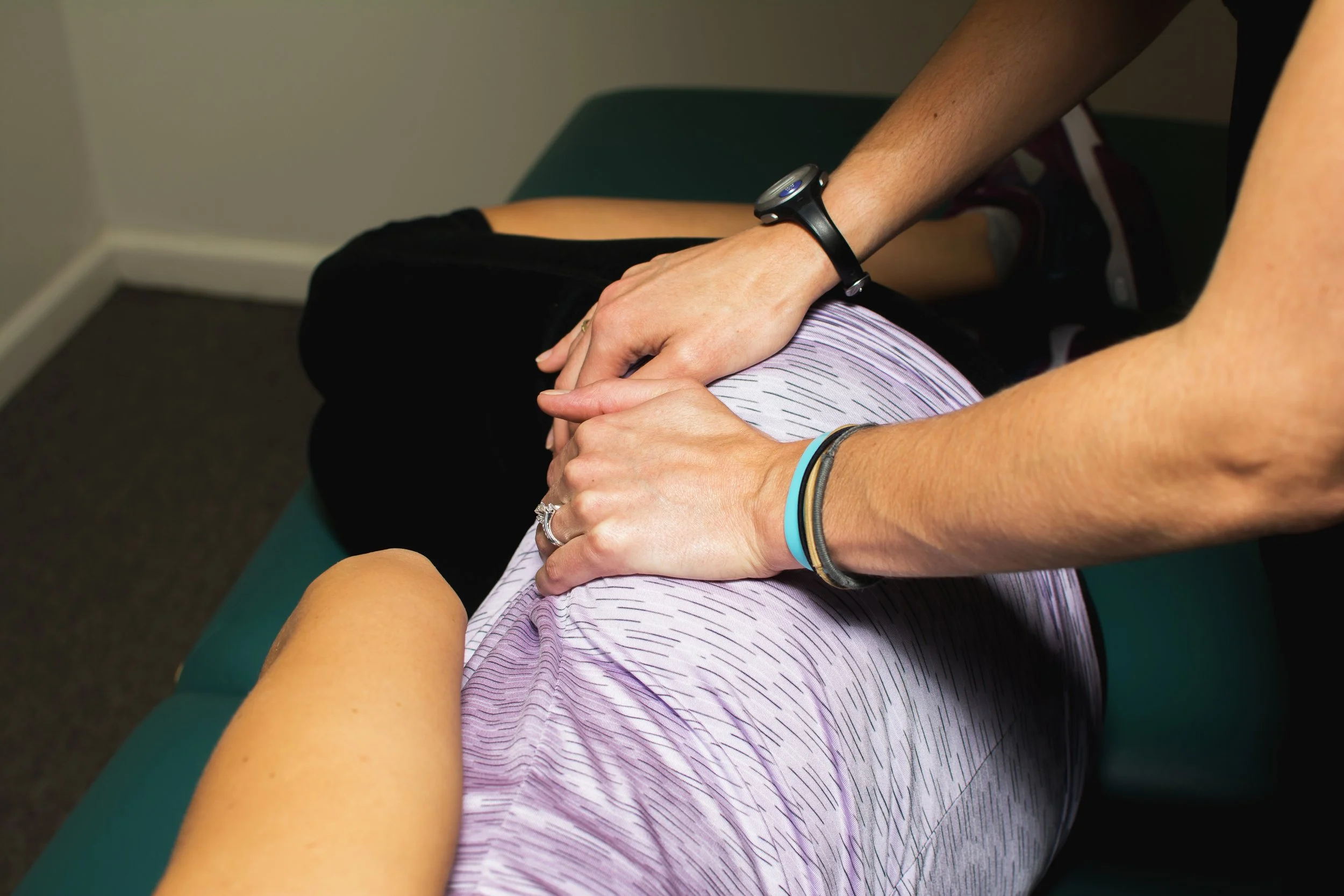
Your sessions at Priority Physical Therapy may include breathwork and diaphragmatic training, pelvic floor internal techniques, manual therapy, and therapeutic exercise. Because our Doctors of Physical Therapy are trained in both pelvic health and orthopedics, we can look at how your pelvis, hips, and back work together.
How Can You Help Your Recovery Move Forward?
You are the most important member of your care team. A few habits make a real difference:
Do your home program. Digital home programming keeps your exercises clear and easy to follow between visits.
Speak up. Tell your therapist what feels better, worse, or different from session to session.
Respect the progression. Feeling better does not always mean tissues are fully ready for your usual activity level.
Be patient with setbacks. Recovery is rarely a straight line, and a flare-up does not erase your progress.
Ready to Start Physical Therapy in Mt. Juliet, TN?
A realistic timeline begins with understanding what is happening in your body. Whether you are healing after pregnancy, working through an orthopedic injury, or preparing to return to running, Priority Physical Therapy is here to guide you with care and clarity.
Learn more about our team, explore our services, or read our complete guide to physical therapy in Mt. Juliet. When you are ready, visit our home page to book a free discovery call and take the first step toward moving and feeling like yourself again.